In Riverside, wildfire season no longer has clean edges. The hills dry out by early summer, Santa Ana winds can push fire through neighborhoods well into winter, and a single ember landing in a clogged gutter can do what a wall of flame cannot. The good news is that most homes that burn are lost to small, preventable things, and the right fire protection services can take many of them off the table before the next red flag warning.
This guide is for Riverside homeowners, HOAs and commercial property managers. It explains what fire protection really covers, what the City of Riverside and the state now expect around your buildings, how to do a simple fire risk assessment for properties of any size, and how to clean up safely when ash falls. Where a job belongs to a different kind of specialist, we say so.
The quick answer:
- Most homes ignite from embers, not direct flames. Dry leaves on the roof, in the gutters and in the first five feet around the house are the biggest weak points.
- Riverside requires 100 feet of defensible space in high fire hazard areas, and new state rules target the first five feet around homes in the highest-risk zones.
- Prep before fall winds, keep it up through winter, and clean ash off roofs, solar panels and hard surfaces gently and safely after any nearby fire.
What Do Fire Protection Services Include?
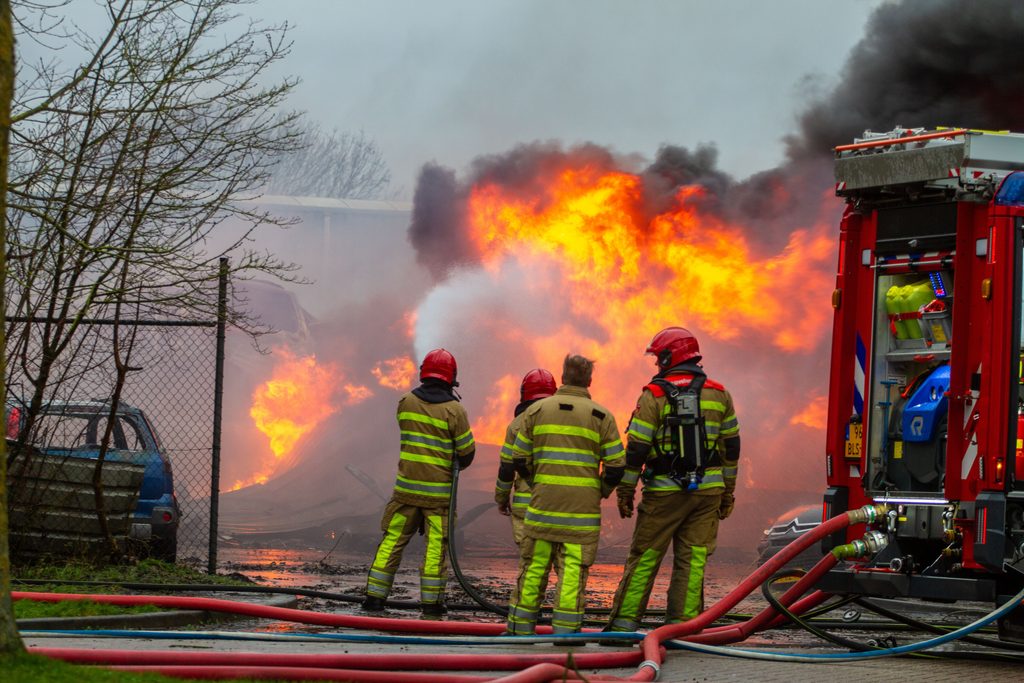
“Fire protection services” covers two different kinds of work, and it helps to know which one you need. Getting this right saves you calls and makes sure nothing falls through the cracks.
Fire Systems: Sprinklers, Alarms and Extinguishers
Inside a building, fire protection means systems that detect and fight a fire: sprinklers, fire alarms, extinguishers, kitchen hood suppression and fire doors. Commercial buildings in California must have these inspected and tested on a set schedule under the California Fire Code and Title 19. This work must be done by a licensed fire protection contractor.
If You Searched “Fire Protection Testing Near Me”
If you need sprinkler, alarm or extinguisher testing for a business, look for a state-licensed fire protection company and ask for proof of the right licenses before they start. JM Pressure does not test fire systems. What we do handle is the outside of the property, which is where wildfire attacks first.
Wildfire Protection: The Outside of Your Property
Exterior fire protection services are about the building envelope and the ground around it. Embers ride the wind up to a mile ahead of a fire and land on roofs, in gutters, against walls and in corners where dry leaves pile up. Exterior cleaning removes that fuel and keep surfaces clean so embers have nothing to catch. This is hands-on cleaning work, and it is the part most property owners put off until the smoke is already on the horizon.
Why Riverside Properties Face Higher Wildfire Risk
Riverside sits where city meets open land. Neighborhoods like Hawarden Hills, Mission Grove, Sycamore Canyon and the edges of Box Springs and La Sierra back onto dry brush, and the local weather does the rest:
- Long dry seasons. Months without rain turn grass and brush into fuel and let leaves and pine needles build up on roofs.
- Santa Ana winds. Fall and winter wind events carry embers far ahead of a fire front and drive them into vents, eaves and gutters.
- Updated hazard maps. CAL FIRE’s updated fire hazard severity maps placed more Riverside neighborhoods in higher risk categories, which brings stricter clearance rules.
- Commercial edges. Warehouses, retail centers and business parks along open land collect windblown debris in loading docks, landscaped borders and parking lot edges.
Riverside and California Defensible Space Rules
In 2025, the Riverside City Council approved an ordinance requiring 100 feet of defensible space around buildings in high fire hazard areas, along with more fire-resistant landscaping. Before the new maps, many residents had followed the older 30-foot guideline, so a lot of properties now need more work than owners expect.
CAL FIRE divides defensible space into zones (CAL FIRE):
| Zone | Distance from the building | What it means |
| Zone 0 (ember-resistant zone) | 0 to 5 feet | Nothing that burns: no dry leaves, mulch, firewood or dead plants. Roofs and gutters clear. |
| Zone 1 (lean, clean and green) | 5 to 30 feet | Remove dead plants and debris, space trees and shrubs, keep branches away from the roof. |
| Zone 2 (reduced fuel) | 30 to 100 feet | Mow grass to about 4 inches, space vegetation, clear fallen leaves and twigs. |
The state Board of Forestry and Fire Protection is also rolling out Zone 0 rules for homes in Very High Fire Hazard Severity Zones and State Responsibility Areas. They call for clearing combustibles from the first five feet, keeping roofs and gutters free of debris, and trimming trees back five feet from the roof and ten feet from chimneys, with a three-year window for existing homes (NBC Palm Springs). Check with the Riverside Fire Department or your HOA for the exact rules on your parcel.
Fire Risk Assessment for Properties: A Walk-Around Checklist
A fire risk assessment for properties does not have to start with a consultant. Walk your property with this list once in late spring and again before Santa Ana season. Anything you check “yes” is a job to fix.
Roof and Gutters
- Are there leaves, pine needles or bird nests on the roof or in valleys where two roof slopes meet?
- Are gutters packed with debris? A full gutter is a ready-made ember bed right against the roof edge.
- Do branches hang over or touch the roof, or come within ten feet of the chimney?
- Are vents and eaves clogged with lint, leaves or old nesting material?
The First Five Feet
- Is there bark mulch, dry plants or stacked firewood against the walls?
- Have leaves piled up in corners, under decks, behind trash cans or along fences that touch the house?
- Are patio cushions, doormats or stored items left out against walls or under eaves?
Hard Surfaces, Lots and Access
Do driveways, walkways and side yards collect blown-in leaves and dry grass?
For businesses: are loading docks, landscape edges, drainage grates and the back of the lot full of windblown debris and trash?
Can a fire engine reach the building, and is the address easy to read from the street?
Residential Fire Protection Solutions That Make a Real Difference
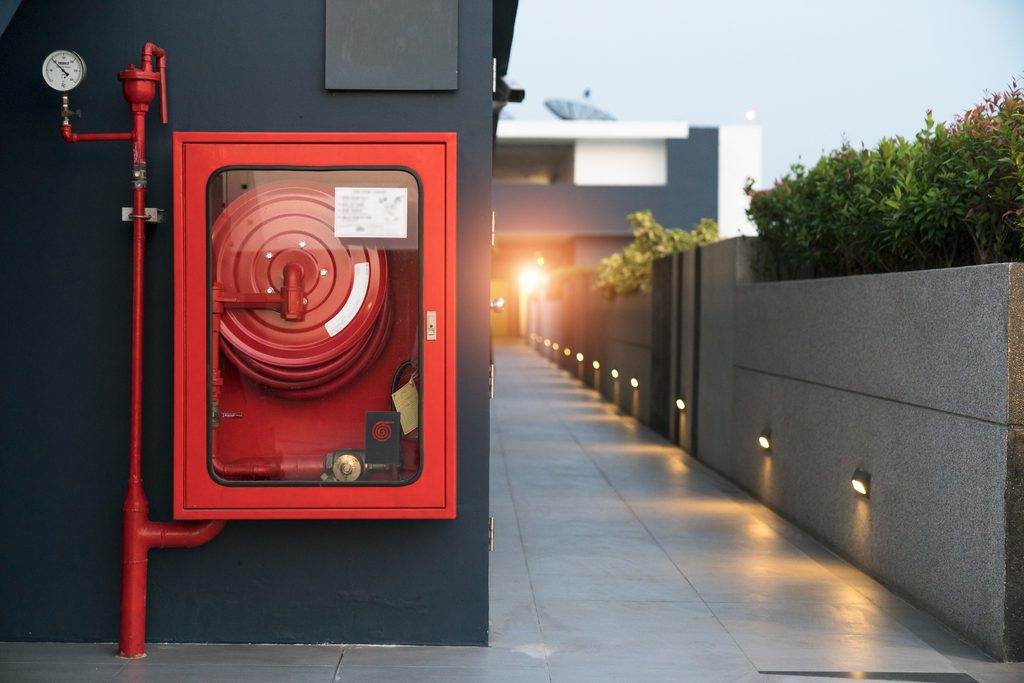
The most effective residential fire protection solutions are not expensive gadgets. They are routine cleaning jobs done at the right time and done thoroughly. Here is where to focus.
1. Clear the Roof and Gutters
Your roof is the largest surface embers can land on. Remove leaves and needles from the roof surface and valleys, then clean the gutters and downspouts completely. On tile, shingle and coated roofs, a low-pressure soft wash also removes the dried moss, lichen and organic buildup that holds debris in place. Never use high pressure on a roof, because it can crack tile and strip shingle granules.
2. Keep Zone 0 Bare and Clean
Clear everything that can burn from the first five feet around the house. Swap bark mulch for gravel or pavers, move firewood well away from the walls, and sweep and wash patios and walkways so leaves do not collect in corners. Clean concrete and stone along the foundation give embers nowhere to settle.
3. Clean Out Vents, Eaves and Under Decks
Embers get pulled into attic and foundation vents. Clear debris from vent openings and check that screens are intact. Under decks and stairs, rake out leaves and stored items, because a fire that starts under a deck can climb straight into the house.
4. Wash Siding, Fences and Walls
A soft wash removes the cobwebs, dust and dry organic film that build up on stucco, wood siding and fences. It also lets you spot cracked stucco, gaps at the eaves and damaged vent screens while you still have time to fix them.
5. Keep Water and Access Ready
Good residential fire protection solutions also plan for the day you need them. Keep garden hoses connected and long enough to reach every side of the house. Keep the driveway and side gates clear so firefighters can get in, and make sure your house number is visible from the street, day and night.
Fire Protection for Commercial Properties and HOAs
On a larger property, small piles of debris add up to a lot of fuel, which makes exterior fire protection services just as important for businesses as for homes. Property managers in Riverside can lower risk with a simple exterior plan:
- Sweep parking lots, loading docks and private roads before fall winds and after every wind event, so trash and leaves do not pile up against buildings.
- Clear landscape edges, drainage grates and the backs of lots that border open land.
- Clean flat roofs, roof drains and rooftop equipment pads, where leaves and windblown trash collect unseen.
- Schedule work early or after hours so tenants, shoppers and residents are not disrupted.
- Keep records of each cleanup with dates and photos. They help with insurance renewals and fire department inspections.
Remember that the inside of a commercial building has its own fire protection requirements. Pair your exterior plan with regular sprinkler, alarm and extinguisher service from a licensed fire protection contractor.
Wildfire Season Prep Timeline for Riverside
| When | What to do |
| March to May | Do your first fire risk assessment. Clear winter debris, clean gutters, soft wash the roof and trim branches as new growth comes in. |
| June to August | Mow dry grass, keep Zone 0 bare and sweep hard surfaces. Check vents and screens. |
| September to October | Full pre-Santa Ana cleanup: roof, gutters, eaves, under decks, patios and commercial lot edges. |
| November to January | Clear leaves after each wind event. Keep an emergency plan and go-bag ready. |
| After any nearby fire | Clean ash safely from roofs, solar panels, patios and concrete, and check surfaces for damage. |
Emergency Wildfire Protection: What to Do on Red Flag Days
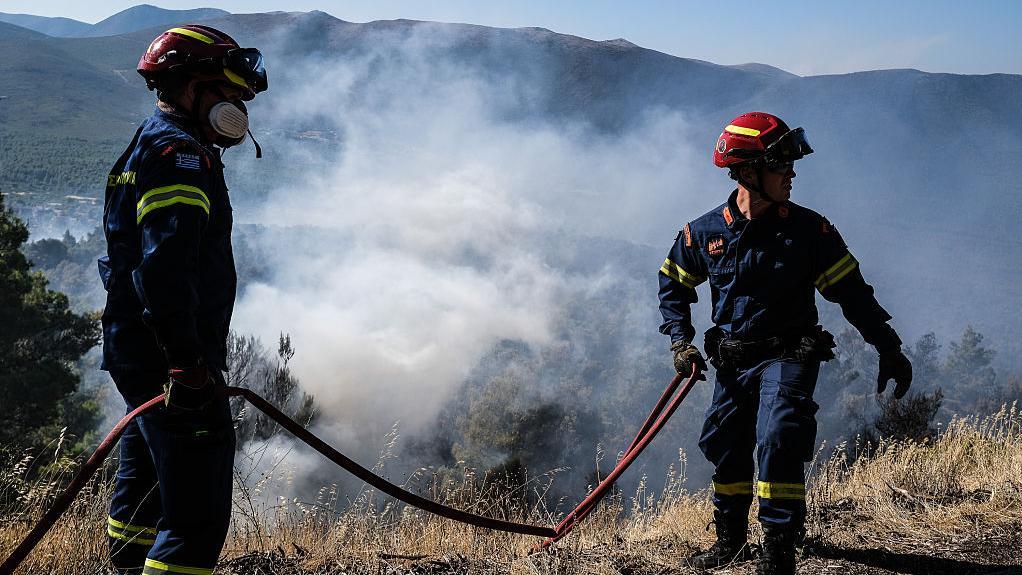
Emergency wildfire protection is about the last 24 to 48 hours before danger arrives. When the National Weather Service issues a red flag warning or a fire starts nearby, the time for deep cleaning has passed. Focus on quick steps and on getting out safely:
- Sign up for alerts. Register for Riverside County emergency alerts so you get evacuation orders on your phone.
- Do a 15-minute sweep. Clear leaves off the porch, doormats and patio, and move cushions, trash cans and firewood away from the walls.
- Close up the house. Shut windows, vents and doors, and move the car into the driveway facing out.
- Leave early. If officials say go, go. No property is worth your life.
If a fire is already close, do not climb on the roof or try to clean gutters. Real emergency wildfire protection starts in the calm weeks before a fire, which is why booking roof and gutter work early matters.
After the Fire: Safe Ash Cleanup and Surface Restoration
Post-fire cleanup is one of the most overlooked fire protection services. Ash and soot can irritate your lungs and may contain harmful chemicals, especially where buildings or vehicles have burned. The South Coast Air Quality Management District, which covers Riverside, advises against dry sweeping or using leaf blowers, which stir fine particles back into the air (South Coast AQMD). Lightly mist ash before you remove it, wear an N95 or P-100 mask and gloves, and keep ash and wash water out of storm drains.
A professional cleanup should cover:
- Roofs and gutters. Ash and charred debris hold moisture and can stain roof surfaces and clog downspouts before the first rain.
- Solar panels. Ash is sticky and cuts output. Panels should be rinsed gently with soft brushes and pure water, never pressure washed.
- Patios, driveways and walls. Low-pressure washing with water reclamation lifts soot without pushing contaminated water into storm drains.
Long dry seasons also mean heavy landscape watering, and sprinkler overspray leaves white mineral scale on block walls, pool tile and stone. Our Calcium Removal Services in Moreno Valley, CA remove that buildup without damaging the surface. Where heat or smoke has blistered paint or stained metal railings, gates and masonry, abrasive blasting strips the surface back so it can be primed and refinished. Learn more about our Removal Sand Blasting Services in Anaheim, CA, which we provide across Southern California.
DIY or Professional Fire Protection Services?
Raking Zone 0 and sweeping the patio are reasonable DIY jobs. Roof work is different. Falls from ladders and roofs cause thousands of serious injuries each year, dry tile cracks underfoot, and high pressure can damage roofs and siding. Professional fire protection services make sense when:
- The roof is two stories, steep or tile.
- Gutters have not been cleaned in a year or more.
- You manage a large property, an HOA or a commercial site.
- Ash or soot needs to be cleaned without polluting storm drains.
- You want photos and dated records for your insurer or HOA.
What to Ask Before You Hire
- Are you licensed and insured? Ask for a certificate of insurance before anyone gets on the roof.
- How do you clean roofs? The answer should be low-pressure soft washing, not high pressure.
- Where does the wash water go? Look for water reclamation and runoff control.
- Will I get photos? Before and after photos show what was cleared and what needs repair.
Frequently Asked Questions
What do fire protection services include for a home?
Residential fire protection solutions for wildfire focus on the outside of the home: clearing roofs and gutters, keeping the first five feet free of anything that burns, cleaning vents, eaves and under decks, and cleaning up ash after a fire. Indoor systems like smoke alarms and sprinklers are handled by licensed fire protection contractors.
Does JM Pressure offer fire protection testing near me?
No. Sprinkler, alarm and extinguisher testing must be done by a licensed fire protection contractor. JM Pressure handles the exterior side of wildfire preparation and post-fire cleanup across Riverside and the Inland Empire.
How often should I clean my gutters during wildfire season?
At least twice a year, in spring and again before Santa Ana season in early fall. Homes under trees or next to open land often need a cleaning after every major wind event.
How far does defensible space need to go in Riverside?
In high fire hazard areas, the City of Riverside requires 100 feet of defensible space around buildings, or to your property line if it is closer. The first five feet, called Zone 0, should be kept free of anything that burns.
What is a fire risk assessment for properties?
It is a walk-around check of the roof, gutters, vents, the first five feet, yard and access to find fuel and weak points that embers could ignite. Use the checklist above, or ask a professional to walk it with you and photograph what needs work.
Is it safe to pressure wash wildfire ash?
Not with high pressure, and not into storm drains. Mist the ash first, wear an N95 mask, and use low pressure with water reclamation. Solar panels and roofs should only be cleaned with soft, low-pressure methods.
About JM Pressure
JM Pressure, also known as JM Pressure Washers, is an exterior cleaning and surface restoration company based in Grand Terrace and serving Riverside, San Bernardino and the wider Inland Empire, along with Los Angeles, Anaheim, City of Industry and San Diego. Services include roof soft washing and gutter cleaning, Pressure Washing Services in Riverside, CA, commercial street and parking lot sweeping, sandblasting and calcium removal.
The company is licensed and insured, with $2 million in general liability and $1 million in auto coverage. It uses water reclamation and runoff controls on every job, offers early and after-hours service for businesses, and customers pay only after they approve the finished work.